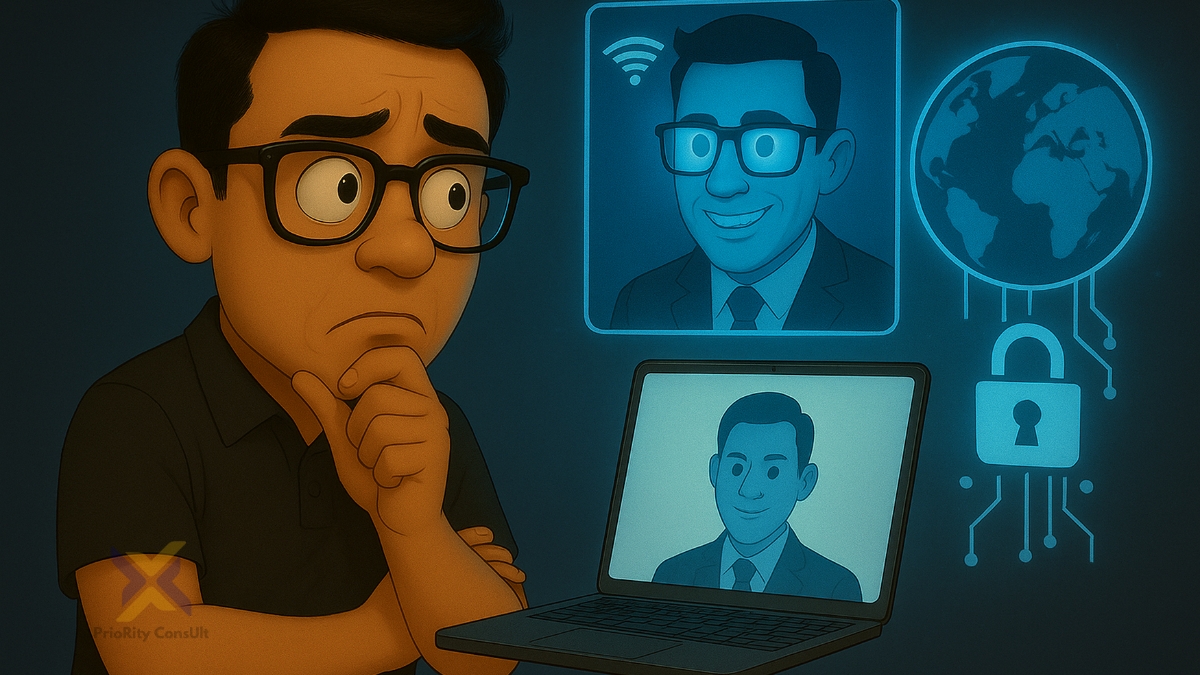
The Cybersecurity Act, 2020 (Act 1038): What It Says About Sharing Images Without Consent
In Ghana, the Cybersecurity Act, 2020 (Act 1038) protects people from the non-consensual sharing of intimate or private images. Below is a clear summary of the law and its implications.
What the Law Says
The Act makes it a criminal offence to share intimate or private images of another person without their permission. Under Section 67, the law states:
"A person shall not, with intent to cause serious emotional distress, intentionally distribute or cause another person to distribute the intimate image or prohibited visual recording of another identifiable person without the consent of the person depicted."
Penalties Under the Law
Violating Section 67 can lead to imprisonment for at least one year and up to three years, and/or a fine depending on the circumstances. Cases that involve minors or sexually explicit material attract more severe penalties.
Why This Law Matters
The law seeks to protect dignity, emotional well-being, and privacy in an era where digital content spreads rapidly. It targets revenge porn, digital harassment, and other forms of online abuse that cause serious harm to victims.
Key Takeaway
Before posting or sharing any photo or video of another person, always obtain consent. Sharing intimate or private images without permission can be a criminal offence under Ghana's Cybersecurity Act.