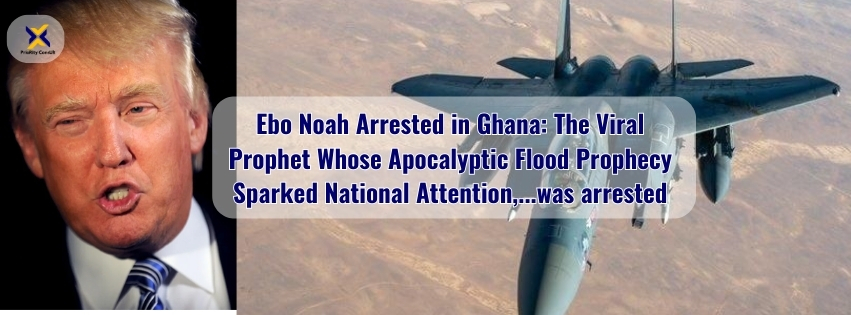
U.S.-Backed Airstrikes Target ISIS-Linked Camps in Northwestern Nigeria
Nigerian authorities have confirmed that U.S.-backed airstrikes were carried out against two camps linked to the Islamic State group in northwestern Nigeria, marking a significant escalation in international cooperation against terrorism in the region.
Nigeria’s federal government has confirmed that airstrikes conducted with the support of the United States successfully targeted two camps linked to the Islamic State (ISIS) in the country’s northwest. The operation, according to officials, forms part of ongoing efforts to curb the growing influence of extremist groups operating across Nigeria’s northern regions.
The strikes reportedly took place in remote forested areas believed to be used by ISIS-affiliated fighters as training and coordination bases. Nigerian authorities stated that the targeted locations had been under surveillance for some time and were identified as key operational hubs for planning attacks and facilitating cross-border movement of militants.
Advert

Government officials emphasized that the operation was carried out with the full knowledge and consent of Nigerian authorities, dismissing concerns over sovereignty. According to the Ministry of Information, the collaboration reflects Nigeria’s commitment to leveraging international partnerships to strengthen its counter-terrorism capacity, particularly in areas where armed groups have taken advantage of difficult terrain and limited state presence.
While official casualty figures have not been released, authorities noted that the strikes were “precision-based” and designed to minimize civilian harm. Local governments in the affected areas urged residents to remain calm, assuring the public that the operation was aimed strictly at terrorist elements threatening national security.
The airstrikes come amid persistent security challenges in Nigeria, including attacks by insurgent groups, banditry, and kidnappings, especially in the northwest and northeast. Analysts say the increasing presence of ISIS-linked factions in the region has raised concerns about the expansion of extremist networks from the Sahel into Nigeria.
Security experts view the operation as a signal of intensified international engagement in West Africa’s fight against terrorism. However, they also caution that military action alone may not be sufficient, stressing the need for long-term strategies that address economic hardship, governance gaps, and local grievances that often fuel recruitment into extremist groups.
As Nigeria continues its campaign against insurgency and terrorism, the government has reiterated its commitment to protecting civilians while pursuing those responsible for violence and instability. Further updates are expected as authorities assess the full impact of the operation.