
The Konkomba People of Ghana
Ghana is home to many ethnic groups, each with its own unique culture, language, and traditions. Among these vibrant groups are the Konkomba people, known for their hardworking nature, rich traditions, and strong community values. The Konkomba, who call themselves Likpakpaln (meaning “the people”), are mostly found in the northern and eastern parts of Ghana, particularly in areas such as Saboba, Chereponi, Kpassa, and Bimbilla. Some Konkomba communities also extend into neighboring Togo, making them one of the trans-border ethnic groups of West Africa.
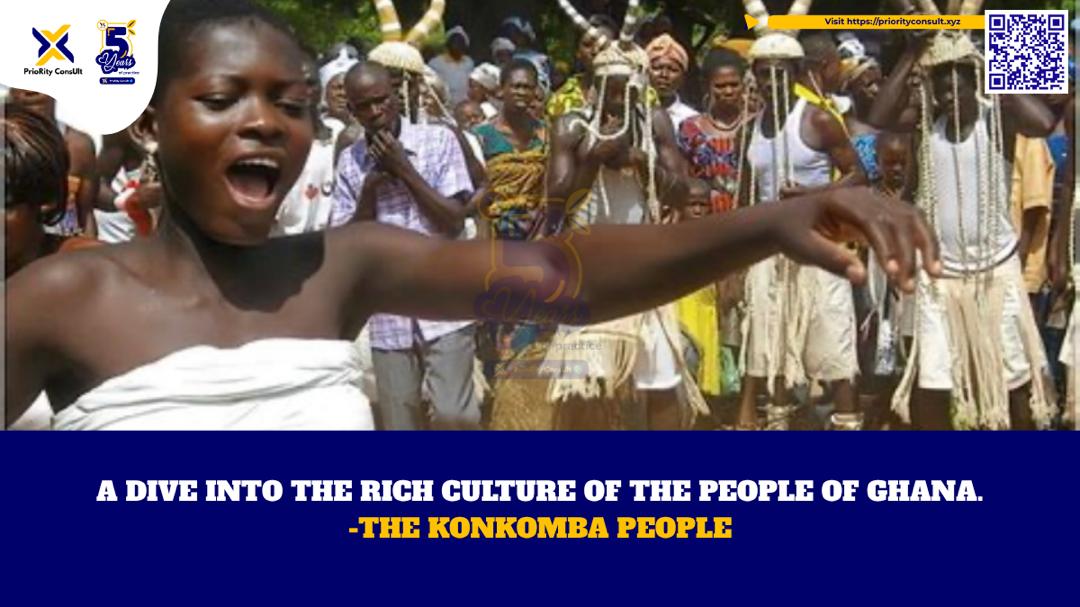
The Konkomba people are primarily farmers, and agriculture is at the heart of their way of life. They cultivate crops such as yams, maize, millet, groundnuts, and cassava. Yams hold a special place in their culture, not only as a staple food but also as a symbol of wealth, hard work, and success. During the harvest season, Konkomba communities celebrate with festivals and dances, expressing gratitude to God and the ancestors for a bountiful harvest. These celebrations often feature lively drumming, traditional songs, and colorful attire that showcase the beauty of their culture.
The social structure of the Konkomba is based on clans and extended families. Each clan is led by an elder known as the Uninkpel, who is responsible for maintaining peace, settling disputes, and overseeing communal activities. Unlike some other ethnic groups in Ghana, the Konkomba traditionally did not have a centralized chieftaincy system. Instead, leadership was based on age, wisdom, and respect. Family life is highly valued, and marriage is seen as a vital institution that unites families and strengthens community bonds. Traditionally, marriage involves the payment of bridewealth, usually in livestock, to the bride’s family.
In terms of religion and beliefs, the Konkomba people traditionally worship a Supreme God called Uwumbor or Ubor, along with lesser deities and ancestral spirits. These beliefs are often expressed through rituals, sacrifices, and festivals. However, with the spread of Christianity and formal education, many Konkomba have embraced modern religion while still maintaining elements of their traditional practices. The Konkomba Youth Association (KOYA) has also played a key role in promoting education, unity, and development among Konkomba communities across Ghana.
Today, the Konkomba people continue to play a vital role in Ghana’s social and economic development. They are known for their honesty, resilience, and dedication to hard work. Many have pursued education and hold positions in various sectors such as teaching, politics, and business. Despite modernization, the Konkomba people remain proud of their identity and heritage, preserving their customs and passing them down to younger generations. Their story is one of strength, unity, and cultural pride — a true reflection of Ghana’s diversity and beauty.
Source: PrioRity ConsUlt
Written by: Simon Awuriki