
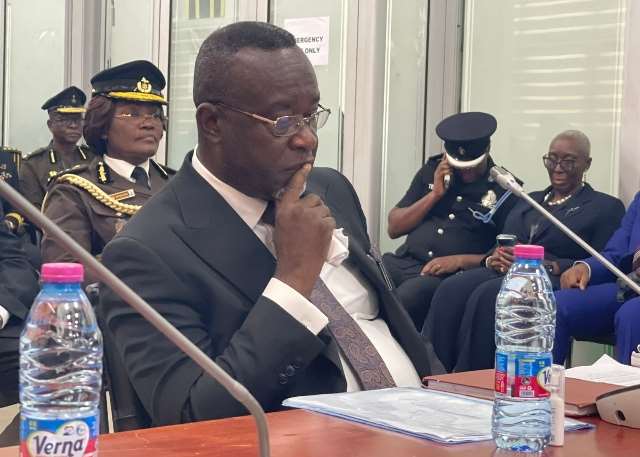

Vetting of Paul Baffoe-Bonnie: What It Means for Ghana’s Judiciary
On Monday, November 10, 2025, Ghana’s Appointments Committee began the vetting of Paul Baffoe-Bonnie, President John Dramani Mahama’s nominee for Chief Justice. The session — intended to evaluate the nominee’s qualifications, record and vision for the judiciary — quickly became a focal point for wider concerns about judicial independence and parliamentary partisanship.[1]
Baffoe-Bonnie, a long-standing figure within Ghana’s legal community, told the committee he believed he was qualified and deserving of the post, while also rejecting suggestions that his nomination was politically motivated. Supporters argue that his experience equips him to help reduce case backlogs and restore public confidence in the courts. Critics, however, have raised questions about the timing and context of the appointment process, and whether the removal of the previous Chief Justice and subsequent nomination were handled in a manner that preserves the separation of powers.[2]
The vetting session also exposed sharp partisan divisions within Parliament. The Minority formally boycotted portions of the hearing and staged a walkout, arguing the process represented a dangerous departure from constitutional norms. The Majority has pushed forward with the vetting, underscoring the political stakes that accompany senior judicial appointments in times of heightened partisan tension.[3]
Beyond the immediate political theatre, the outcome of this process matters for everyday Ghanaians. The Chief Justice leads the judiciary, influences how courts are administered, and sets tone for judicial independence. If the public perceives the appointment process as politicised, trust in the justice system could erode — with consequences for rule of law, investor confidence and the protection of rights.
What the nation needs, commentators say, is a transparent, evidence-based confirmation that prioritises competence and independence over partisanship — and practical plans from the nominee to tackle case backlog, improve judicial administration and protect judicial independence.
What to watch in the coming days:
- Whether the Appointments Committee issues a majority report recommending confirmation despite the Minority’s boycott.
- How the full Parliament will vote once the Committee’s recommendations are tabled.
- Any legal challenges or public interest litigation that challenge either the removal of the previous Chief Justice or the conduct of this appointment.
- The nominee’s concrete plans for judicial reform and how he intends to restore or strengthen public confidence in the courts.
In the short term, Ghana faces a test of institutional resilience: whether its constitutional processes can accommodate contested political moments while preserving the impartiality and independence that courts require to function effectively.




