
8Ukraine Update — Frontline Fighting, Infrastructure Strikes, and Global Pressure
A concise briefing on the latest developments in the war between Ukraine and Russia: tactical shifts on the Zaporizhzhia and Donetsk fronts, repeated strikes on energy infrastructure, political and governance challenges in Kyiv, and the international response.
Quick Summary
Russian forces have intensified operations in southern and eastern Ukraine, including reported infiltration near Zaporizhzhia under cover of fog and sustained pressure around Pokrovsk in Donetsk. Ukraine continues to face attacks targeting energy and logistics infrastructure, while domestic scandals have complicated Kyiv’s political environment. Internationally, steps such as asset sales by Russian firms and looming sanctions reflect widening economic pressure.
What’s Happening Now
Russian advances in the south and east
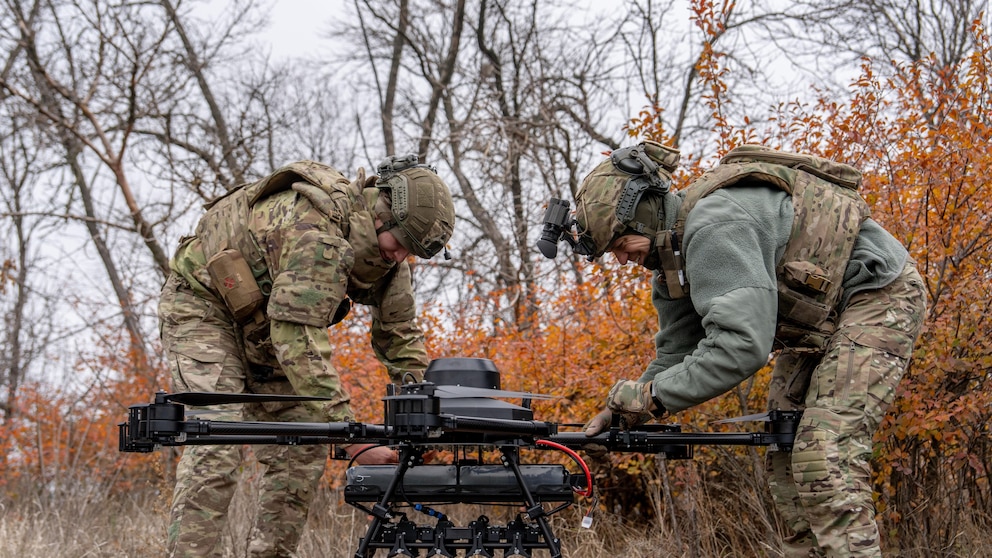
Over the past days, fighting has concentrated in Zaporizhzhia Oblast and parts of Donetsk. Ukrainian commanders reported that Russian units used poor visibility conditions (dense fog) to carry out infiltration operations and push the front lines in some sectors.
Infrastructure and the civilian toll
Repeated strikes on power stations, transmission lines and logistics hubs have caused blackouts and supply disruptions across affected regions. Damage to energy infrastructure amplifies humanitarian needs and complicates both civilian life and military sustainment during the coming winter months.
Domestic political challenges
Ukraine has been managing a high-profile corruption and governance scandal tied to energy sector oversight. Such internal issues risk slowing reforms and could influence donor confidence and the flow of international assistance if not addressed transparently.
International pressure and economic moves
Sanctions and financial pressure continue to mount. Reports indicate Russian oil companies are restructuring or selling foreign assets ahead of prospective sanction deadlines — a sign of growing economic strain that accompanies battlefield dynamics.
Why This Matters
- Humanitarian impact: Power outages, shelter loss, and supply-chain disruptions deepen civilian suffering and increase displacement.
- Military balance: Territorial gains — even incremental — can change logistics and defensive posture, influencing the course of operations.
- Geopolitical consequences: Moves by energy companies and added sanctions affect global energy markets and diplomatic calculations among Western states.
- Reconstruction outlook: Damage to infrastructure raises the future costs of recovery and lengthens timelines for rebuilding communities and the economy.
Possible Near-Term Scenarios
- Winter pressure: If attacks on energy systems increase, civilian services and morale may be severely tested during colder months.
- Attritional warfare: The conflict could settle into a slow, grinding phase of local advances and counterattacks rather than decisive breakthroughs.
- Political fallout: Ukraine’s domestic scandals could slow aid disbursal or reforms, complicating international support unless quickly addressed.
- Sanctions and economic strain: Continued international pressure on Russian assets may shape Moscow’s economic options and long-term strategic calculations.
Key Takeaway
The war remains dynamic and costly. Tactical developments on the ground are tightly linked to infrastructure resilience and international politics — each affecting the other. The coming weeks, particularly as winter approaches, will be important for testing the endurance of both civilian systems and military operations.
Note: This summary synthesises multiple reporting sources to provide a concise update. For further reading, see the list of sources below.