
The global healthcare landscape has undergone a profound transformation, characterized by the increasing mobility of patients across international borders in search of medical treatment. This phenomenon — “Medical Tourism” — has been enthusiastically embraced by numerous developing nations as a strategic sector for economic diversification. Yet beneath gleaming hospital brochures lies a troubling reality.

This paper argues that medical tourism in Côte D'Ivoire, South Africa, Seychelles, Mauritius, Algeria and a few more, systematically undermines local patients' access to quality healthcare through four interconnected mechanisms: “The Creation of a Two‑tiered Healthcare System, The Internal Brain‑drain of Medical Professionals, The Inflation of Healthcare Costs, and The Distortion of National Health Priorities” away from population health needs. Drawing on empirical evidence from each nation, this critical analysis demonstrates that medical tourism functions not as a complement to public health systems but as an extractive industry that consumes scarce healthcare resources while delivering benefits to a privileged few.
Theoretical Framework: Structural Violence
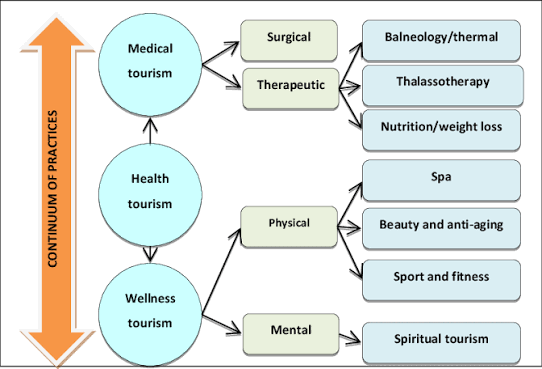
The theoretical framework underpinning this analysis draws upon dependency theory and critical health geography, which posit that economic activities oriented toward external markets often reproduce and deepen existing inequalities. When applied to medical tourism, these frameworks reveal how healthcare systems become reoriented to serve foreign consumers, creating what scholar Meghann Ormond terms “Therapeutic Enclaves” that exist separate from and often in opposition to the public health infrastructure serving citizens (Ormond, 2015). This paper contends that the benefits of medical tourism are not merely unevenly distributed but are structurally predicated upon the exploitation of existing healthcare resources that might otherwise serve local communities.
Medical tourism represents the ultimate commodification of healthcare, transforming a social good into a traded service accessible primarily to those with purchasing power in global currency. — Labonté (2018)
The presence of world-class facilities serving international patients in cities like Cape Town, Abidjan, or Algiers does not exist in isolation; rather, it actively shapes and constrains public health infrastructure through competition for resources, labour, and policy attention.
1. Côte D'Ivoire: Regional Hub, Local Neglect
Côte D'Ivoire has emerged as a significant destination for medical tourists from across Francophone West Africa, especially from Burkina Faso, Mali, and Niger. Facilities like the Polyclinique Internationale Sainte Anne-Marie and Centre Hospitalier Universitaire de Cocody attract regional clientele with advanced cardiology, nephrology and oncology equipment (Koffi & N'Guessan, 2021). Yet the impact on Ivorian hosts reveals “therapeutic proximity without access”. A 2022 study documented that cardiac surgery at Abidjan’s premier private hospitals ranges from 8 to 12 million CFA francs (~$13,000–$20,000), exceeding annual income of 95% of Ivorian households (Koné, 2022).
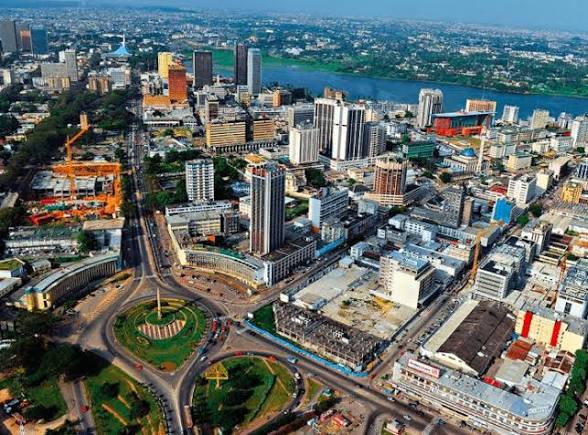
More troublingly, the concentration of specialized services in Abidjan exacerbates regional inequalities: the Abidjan district (20% of population) accounts for over 60% of specialist physicians and 70% of advanced medical equipment (Ministère de la Santé, 2023). A rural Ivorian patient must now compete not only with urban Ivorians but with an international clientele for limited appointments — a textbook case of structural violence.
2. South Africa: The Architecture of Apartheid Medicine
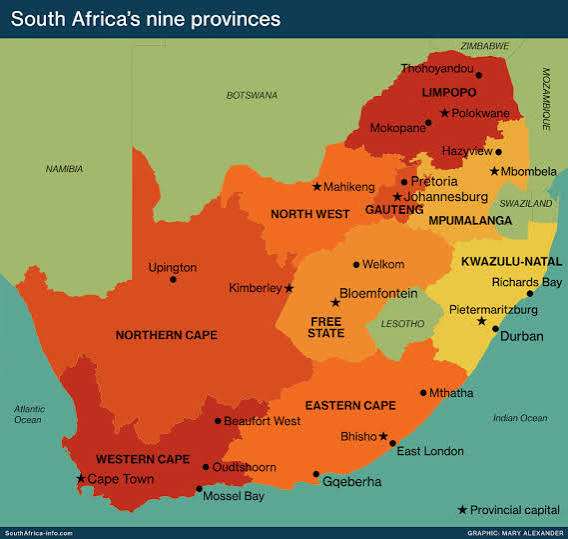
South Africa represents the most developed medical tourism hub on the continent, with facilities like Netcare Christiaan Barnard Memorial Hospital marketing aggressively to international patients. Yet the country’s healthcare system is notoriously bifurcated: a world-class private sector serving ~16% of the population (including medical tourists) and an overburdened public sector serving the remaining 84%. Over 70% of specialists practice exclusively in the private sector (HPCSA, 2022), and medical tourism deepens this divide.
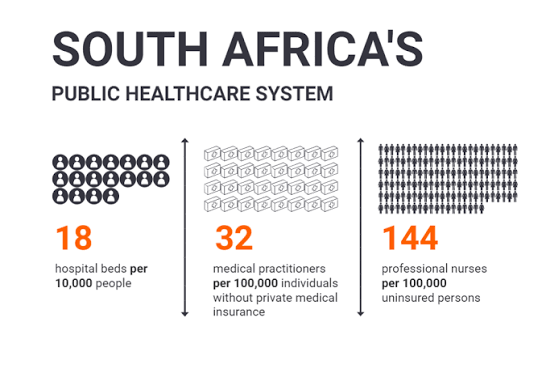
Data reveal that specialist physicians are offered salaries three to five times higher than public sector compensation — actively diverting human resources. A patient from London can schedule coronary artery bypass grafting within weeks, while a South African citizen in the Eastern Cape waits over twelve months for public cardiac care. This represents an active diversion of national health resources toward foreign consumers (Moodley & Singh, 2021).
3. Seychelles Archipelago: Small System, Acute Impacts
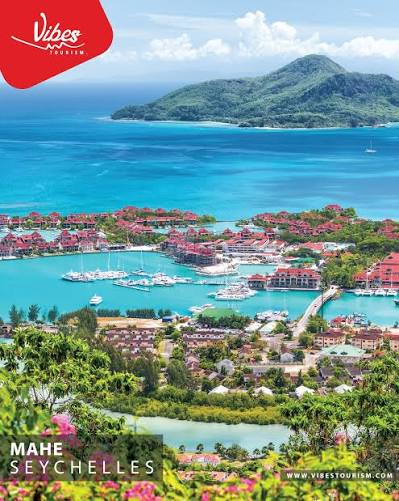
With a population of ~100,000 citizens, the Seychelles offers an intimate scale for examining medical tourism’s impacts. The Seychelles Medical and Dental Centre develops wellness and elective surgery packages for European visitors. However, limited national specialists (often fewer than five per field) means that during peak tourist seasons, specialist appointment wait times for locals extend by weeks as physicians accommodate premium-rate medical tourists (Rose, 2020).
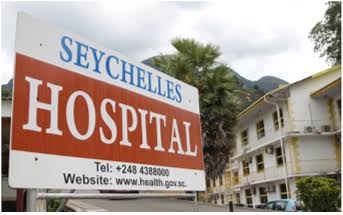
Moreover, investment skews toward elective procedures and wellness services rather than chronic disease management and preventive care — a fundamental misalignment with the actual burden of disease among Seychellois.
4. Algeria: The Public-Private Drain
Algeria’s medical tourism sector has grown, positioning the country as a regional destination for ophthalmology, cardiology and oncology. However, the emergence of private facilities has created powerful incentives for specialist physicians to reduce public sector commitment. Algerian law permits dual public-private practice, and research at Algiers’ teaching hospitals documented that specialists engaged in private practice reduced their public sector clinical hours by an average of 40%, while simultaneously referring complex cases to their private facilities — a phenomenon called “patient leakage” (Boukara & Laifa, 2020). This transfers public investment in medical training to private profit.
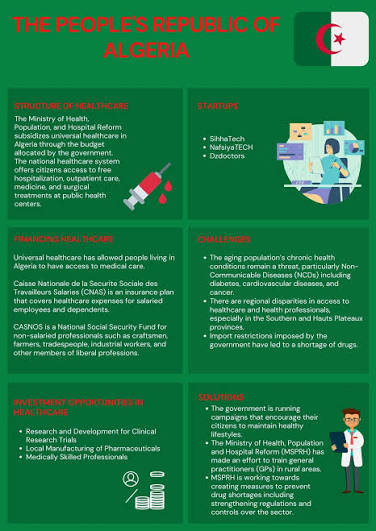
Geographic concentration worsens inequality: coastal wilayas with medical tourism facilities host over 65% of specialists despite containing only 35% of the national population (Touati & Benhabib, 2021). Populations in the south must travel hundreds of kilometers for specialist care they cannot afford.
Mauritius & the Wider Pattern: Extractive by Design
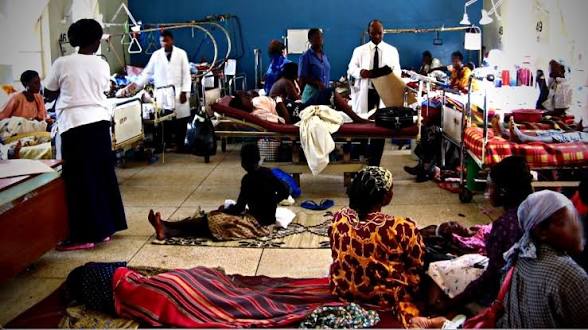
While Mauritius markets itself as a “medical hub” for Indian Ocean patients, similar dynamics prevail: private facilities oriented toward international clientele, diversion of specialist nurses and physicians, and rising costs that exclude low-income Mauritians. Across all nations studied, the pattern is consistent: medical tourism does not complement public health but functions as extractive industry consuming scarce resources — creating glossy therapeutic enclaves disconnected from population health needs.
Conclusion: A Leap Towards Equitable Integration
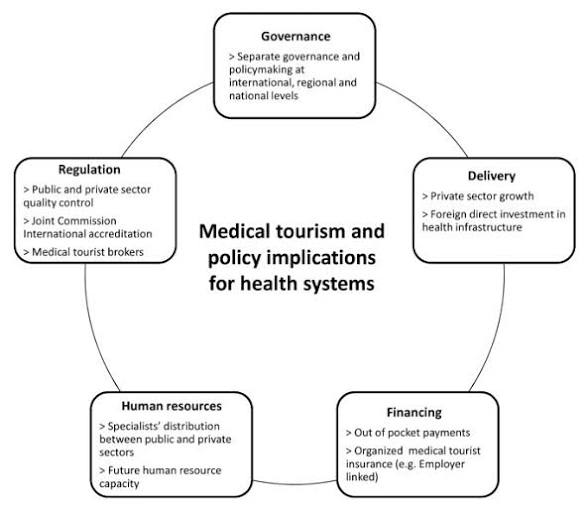
The evidence presented demonstrates that medical tourism in Côte D'Ivoire, South Africa, Seychelles, Mauritius, Algeria and others systematically undermines local healthcare access. For policymakers committed to health equity, the challenge is not to simply reject medical tourism but to restructure its relationship to local health systems. This requires regulatory frameworks that mandate cross-subsidization from medical tourism to public health, restrictions on physician migration from public to private sectors, requirements that facilities serving international patients also serve local populations at regulated rates, and investment requirements linking medical tourism development to primary healthcare strengthening. Without such interventions, medical tourism will continue to function as an extractive industry, consuming the healthcare resources of developing nations While delivering benefits to a privileged global few. Until such restructuring occurs, medical tourism remains what this paper has argued it to be:
“A double-edged scalpel that cuts deeper wounds than it heals...”
References
- Labonté, R. (2018). Medical tourism and the globalization of healthcare: Implications for equity. Globalization and Health, 14(1), 1-12.
- Ministère de la Santé et de l'Hygiène Publique. (2023). Rapport annuel sur la situation sanitaire en Côte D'Ivoire. République de Côte D'Ivoire.
- Boukara, A. (2021). Medical tourism development in North Africa: The Algerian case. North African Journal of Health Policy, 3(1), 45-62.
- Boukara, A., & Laifa, M. (2020). Dual practice and patient leakage in Algerian healthcare. International Journal of Health Planning and Management, 35(4), 891-907.
- Government of Seychelles Ministry of Health. (2022). Seychelles health system review 2022.
- Koffi, A., & N'Guessan, K. (2021). Medical tourism development in Côte D'Ivoire. West African Journal of Medicine, 38(3), 234-249.
- Koné, M. (2022). Healthcare access and affordability in Abidjan. African Health Sciences, 22(1), 178-192.
- Crush, J., & Chikanda, A. (2015). South–South medical tourism. Social Science & Medicine, 124, 313-320.
- Moodley, K., & Singh, S. (2021). Cardiac care access in South Africa. South African Medical Journal, 111(5), 423-438.
- Health Professions Council of South Africa. (2022). Annual report on the distribution of healthcare professionals. HPCSA.
- Ormond, M. (2015). Solidarity by demand? Exit and voice in international medical travel. Social Science & Medicine, 124, 305-312.
- Rose, E. (2020). Small islands, big challenges: Healthcare access and medical tourism in the Seychelles. Island Studies Journal, 15(1), 89-104.
- Touati, S., & Benhabib, A. (2021). Physician migration from public to private sector in Algeria. International Journal of Health Planning and Management, 36(5), 1678-1695.