

LEARNING
Definition:
Learning is the process of acquiring new knowledge, skills, attitudes, or values through study, experience, or teaching. It results in a relatively permanent change in behavior or understanding.
Explanation:
Learning is not just memorizing facts or information; it involves comprehension, reflection, and application. It can occur consciously or unconsciously, in formal settings like classrooms or informally through life experiences. Learning shapes how individuals think, solve problems, make decisions, and interact with their environment. It is continuous and dynamic, occurring throughout life.
TYPES OF LEARNING
-
Cognitive Learning:
-
Involves mental processes such as thinking, memory, problem-solving, and attention.
-
Example: Understanding a mathematical concept or analyzing a text.
-
-
Affective Learning:
-
Involves emotions, attitudes, motivation, and values.
-
Example: Developing empathy through storytelling or moral education.
-
-
Psychomotor Learning:
-
Involves physical movement, coordination, and motor skills.
-
Example: Learning to ride a bicycle or type on a keyboard.
-
LEARNING STYLES
Definition:
Learning styles refer to the preferred ways in which individuals absorb, process, understand, and retain information. These styles vary from person to person, and recognizing them can help enhance the teaching-learning process.
MAJOR TYPES OF LEARNING STYLES
-
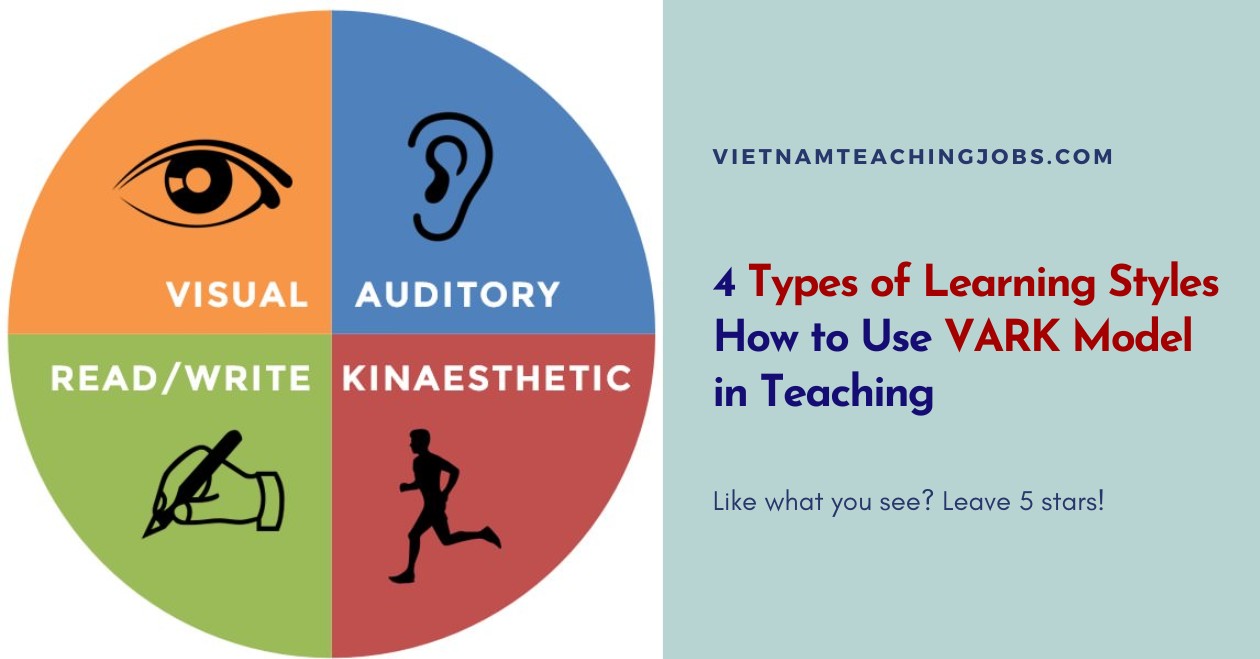
Visual (Spatial) Learners:
-
Prefer to see and visualize information.
-
Learn best through diagrams, charts, illustrations, maps, videos, and written directions.
-
Implication: Teachers should use visual aids like PowerPoint slides, graphic organizers, and mind maps.
-
-
Auditory (Aural) Learners:
-
Learn best by listening.
-
Prefer lectures, discussions, audio recordings, and reading aloud.
-
Implication: Teachers should include discussions, oral instructions, and use of multimedia sound.
-
-
Reading/Writing Learners:
-
Prefer written words.
-
Learn best through reading and writing activities.
-
Implication: Encourage note-taking, journaling, reading textbooks, and writing essays.
-
-
Kinesthetic (Tactile) Learners:
-
Learn best through hands-on activities, movement, and doing.
-
Prefer experiments, role plays, building models, and using physical objects.
-
Implication: Teachers should integrate lab sessions, field trips, physical demonstrations, and interactive activities.
-
OTHER LEARNING STYLE MODELS
-
Kolb’s Experiential Learning Theory:
-
Emphasizes learning through experience and reflection.
-
Learners can be:
-
Divergers (feeling & watching)
-
Assimilators (thinking & watching)
-
Convergers (thinking & doing)
-
Accommodators (feeling & doing)
-
-
-
Multiple Intelligences (Howard Gardner):
-
Suggests that intelligence is not one-dimensional but multifaceted.
-
Types include:
-
Linguistic
-
Logical-mathematical
-
Musical
-
Bodily-kinesthetic
-
Spatial
-
Interpersonal
-
Intrapersonal
-
Naturalistic
-
-
IMPORTANCE OF UNDERSTANDING LEARNING STYLES
-
Helps tailor teaching methods to meet diverse learner needs.
-
Enhances student engagement and motivation.
-
Improves retention and understanding of information.
-
Encourages self-awareness and independent learning in students.
-
Promotes inclusive education by acknowledging individual differences.
CONCLUSION
Learning is a complex and continuous process that involves the whole person—mind, body, and emotion. Understanding the different learning styles enables educators to provide more effective and inclusive teaching strategies. It also helps learners become more aware of how they learn best and take charge of their own learning journey.
Let me know if you'd like this turned into a PDF or Word document.



