
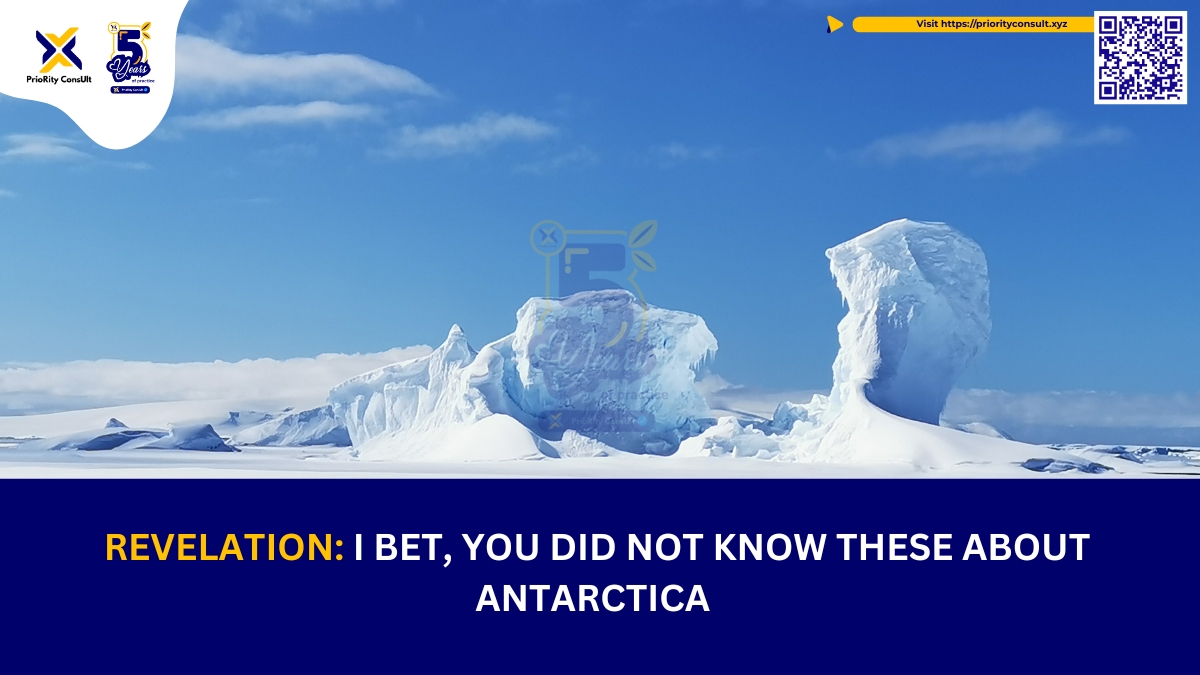
Antarctica: The Frozen Continent of Wonders
Antarctica, the southernmost continent on Earth, is a land of extremes—frozen, isolated, yet full of mystery and scientific wonder. Known as the coldest, driest, and windiest continent, it covers an area of about 14 million square kilometers, making it almost twice the size of Australia. Despite being covered by ice up to 4.8 kilometers thick in some places, Antarctica plays a vital role in the balance of our planet’s climate and ecosystems.
One of the most fascinating facts about Antarctica is that it contains about 60–70% of the world’s fresh water, locked away in its ice sheets. If all this ice were to melt, it is estimated that global sea levels would rise by around 60 meters—an alarming scenario that emphasizes the importance of this frozen continent in the discussion of climate change. Interestingly, while the interior remains permanently frozen, the coastal regions experience a brief summer where temperatures can rise just above freezing, revealing patches of rock and even tiny mosses or lichens.
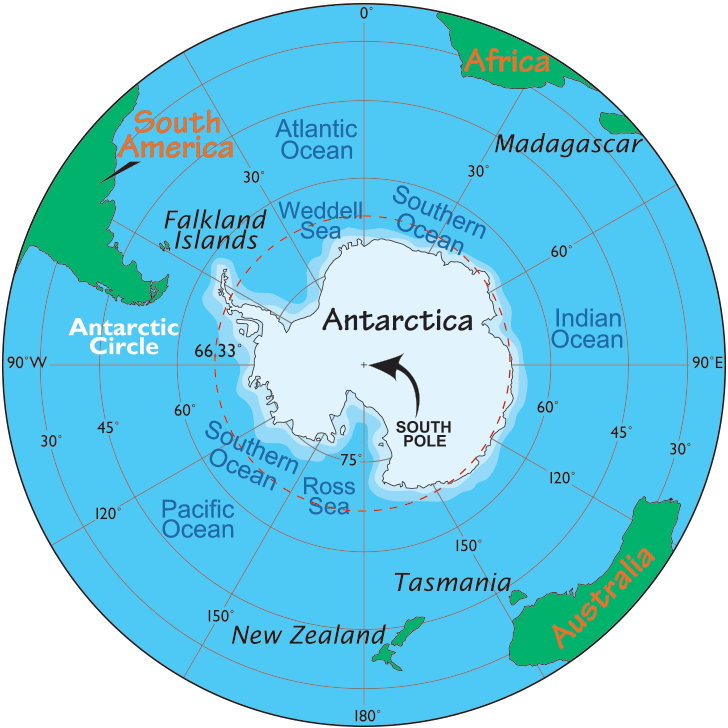
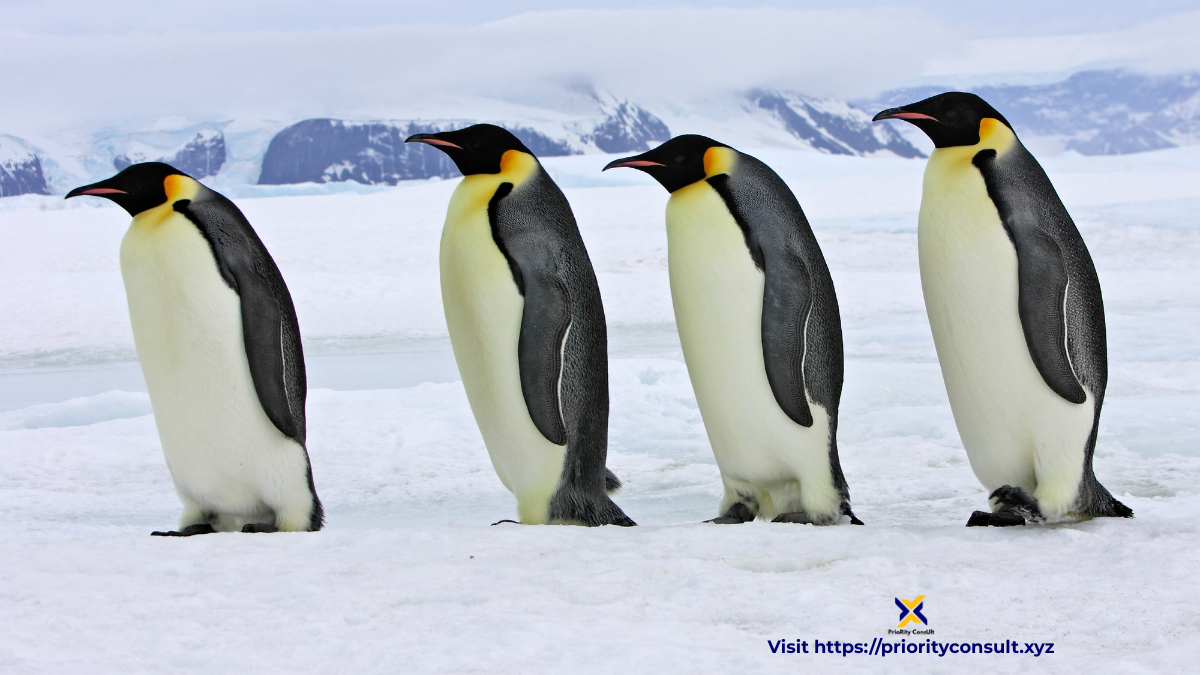
Contrary to popular belief, Antarctica is not just a lifeless wasteland. Its surrounding oceans teem with life. The Southern Ocean, which encircles the continent, supports species like krill, whales, seals, penguins, and seabirds. Krill, small shrimp-like creatures, are considered the foundation of the Antarctic food chain, feeding many of the region’s larger animals. The emperor penguin, the tallest and heaviest of all penguin species, breeds exclusively in Antarctica, enduring the harsh winter to raise its young.
Antarctica also holds a special place in human exploration and scientific research. The first confirmed sighting of the continent occurred in 1820, and since then, it has attracted explorers, scientists, and adventurers from around the globe. Today, no one owns Antarctica; instead, it is governed by an international agreement known as the Antarctic Treaty, signed in 1959. The treaty promotes peaceful scientific cooperation and prohibits military activity, nuclear testing, and mining on the continent. It remains one of the best examples of international collaboration in human history.
Beyond its icy surface, Antarctica hides many secrets. Beneath the thick ice lie subglacial lakes and mountain ranges. One of the most famous, Lake Vostok, remains sealed under more than 4 kilometers of ice and may contain ancient microbial life that has been isolated for millions of years. Scientists are also studying the continent’s ice cores, which preserve bubbles of ancient air, offering clues about Earth’s climate history stretching back hundreds of thousands of years.
Another interesting fact is that Antarctica is technically considered a desert. With an average annual precipitation of less than 50 millimeters in the interior, it’s drier than the Sahara. The strong katabatic winds that blow down from the interior can reach speeds of over 200 kilometers per hour, sculpting the snow into breathtaking shapes known as sastrugi.
Yet, despite its harshness, Antarctica continues to inspire. It is one of the last truly untouched places on Earth—a reminder of nature’s power and fragility. Every year, researchers and a few adventurous tourists visit to experience its silent beauty, study its glaciers, and understand how its fate is intertwined with the rest of the planet.
In a world facing rapid environmental change, Antarctica stands as both a warning and a wonder. It reminds us that even in the coldest, most distant corners of the Earth, life, science, and mystery endure. Protecting this frozen frontier is not just about saving a continent—it’s about preserving the balance of our shared home, planet Earth.
References
-
British Antarctic Survey. Facts about Antarctica. https://www.bas.ac.uk
-
National Geographic. Antarctica: The Frozen Continent. https://www.nationalgeographic.com
-
NASA Earth Observatory. Antarctica and Climate Change. https://earthobservatory.nasa.gov
-
Scientific Committee on Antarctic Research (SCAR). About Antarctica. https://www.scar.org
-
Australian Antarctic Division. Discovering Antarctica. https://www.antarctica.gov.au
-
United States Geological Survey (USGS). Antarctic Glaciology Data Center. https://www.usgs.gov
-
Encyclopedia Britannica. Antarctica. https://www.britannica.com/place/Antarctica
-
The Antarctic Treaty Secretariat. The Antarctic Treaty System. https://www.ats.aq



