
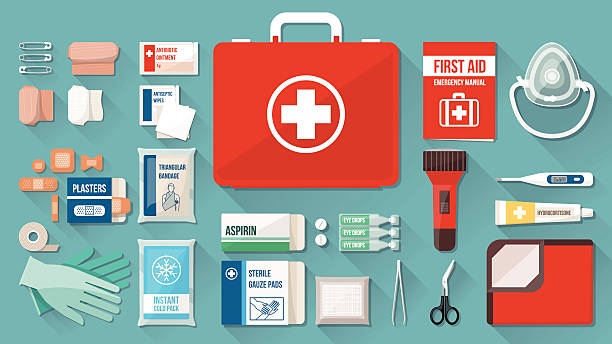

First Aid and Their Treatments
Accidents and sudden illnesses can happen without warning. Knowing basic first aid helps you act quickly, protect life, and reduce harm until professional care arrives. This guide covers common emergencies and clear, practical treatments you can use right away.
Bleeding (Cuts and Wounds)

To control bleeding, wash your hands if possible, put on gloves, and press firmly with a clean cloth until bleeding slows. Rinse the wound gently with water and cover it with a sterile dressing. Seek medical help for deep, large, or heavily contaminated wounds.
Burns and Scalds
Cool the area under running water for 10–20 minutes to reduce pain and tissue damage. Remove rings and tight clothing near the burn before swelling begins. Cover with a clean, non-fluffy cloth. Never apply oil, butter or toothpaste to burns.
Nosebleeds
Have the person sit upright and lean slightly forward. Pinch the soft part of the nose and hold for about 10 minutes while applying a cold compress to the bridge. Avoid tilting the head backward.
Fractures (Broken Bones)

Keep the injured limb still and supported. Use a splint or sling if available and apply ice wrapped in cloth to reduce swelling. Do not try to realign the bone; get urgent medical care.
Choking
If someone cannot breathe, cough or speak, encourage coughing first. If ineffective, perform abdominal thrusts (Heimlich maneuver) for adults and children; for infants, give gentle back blows between the shoulder blades. Call for medical help if the obstruction persists.
Fainting and Shock

If a person faints, lay them flat, raise their legs slightly, and loosen tight clothing. For shock—signs include pale skin, rapid pulse and weak breathing—lay the person down, raise the legs, keep them warm and seek immediate medical assistance. Avoid giving food or drink until fully conscious.
Snake Bites, Poisoning & Animal Bites
For snake bites, keep the victim calm and still; keep the bitten limb lower than the heart and seek emergency care. In suspected poisoning, identify the substance and get urgent medical advice—do not induce vomiting unless instructed. Clean animal bites thoroughly and go to a clinic for wound care and rabies vaccination when necessary.



