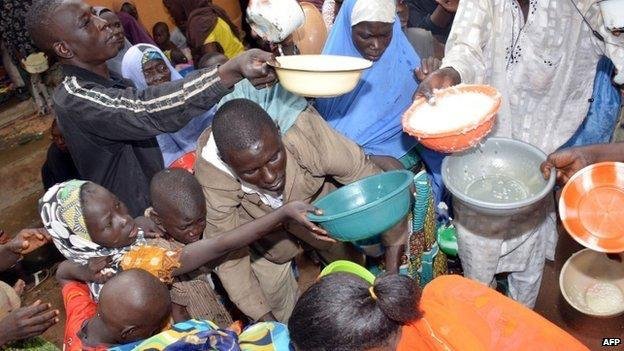

Nigeria’s Record Hunger Crisis: A Humanitarian Emergency
Millions of Nigerians face severe food insecurity as conflict and aid shortfalls collide. This post explains what’s driving the crisis, who is most affected, and what must happen next.
What’s happening right now
The World Food Programme and partner agencies warn that nearly 35 million Nigerians could experience acute food insecurity in 2026. The worst-affected regions are in the north and northeast, where ongoing insurgent violence has uprooted communities, destroyed harvests and made humanitarian access perilous.
Advertisement

GET OUR SCHOOL MANAGEMENT SYSTEM FOR JUST A TOKEN
“If funding is not restored, life-saving assistance will be curtailed — with devastating consequences for children and families.”
Key drivers of the emergency
The crisis is driven by three overlapping factors:
- Escalating violence. Attacks by armed groups have forced millions from their homes and prevented farmers from planting or harvesting.
- Funding shortfalls. Major humanitarian donors have cut funding, leaving the World Food Programme and partners unable to reach all who need help.
- Economic stress. Local markets, supply chains and livelihoods have been weakened, increasing food prices and reducing household purchasing power.
Why this matters — beyond the headlines
This is not only a short-term emergency: prolonged malnutrition in children leads to stunted growth, impaired learning and lifelong health problems. Instability in the affected regions can also fuel migration, deepen poverty, and undermine national recovery.
What can be done — practical steps
Addressing the crisis requires a coordinated approach:
- Restore emergency funding so food and therapeutic nutrition supplies reach the most vulnerable.
- Protect humanitarian access through negotiated safe corridors and community-level security assurances.
- Support smallholder farmers with seed, tools and cash-for-work programs to revive local food production.
- Scale up social protection (cash transfers, school feeding) to stabilize household incomes and reduce long-term harm to children.
“We cannot treat this as someone else’s problem — the cost of inaction will be measured in lives and futures lost.”
How you can help
If you want to support relief efforts, consider donating to reputable humanitarian organizations working on the ground, raising awareness, or supporting locally-led resilience programs that build food security over the long term.
References
- “Nigeria faces record hunger amid insurgent attacks, aid cuts” — Reuters. 0
- “Armed attacks, aid cuts provoke record hunger levels in Nigeria” — Al Jazeera. 1
- “Emergency food assistance grinds to a halt in Nigeria …” — WFP. 2
- “Nigeria Faces Escalating Hunger Crisis: 34.7 million at Risk Without Urgent Action” — FAO. 3
- “North Eastern Nigeria” country brief — WFP. 4
- “Nigeria: Amid record hunger and surging insecurity, emergency food assistance to stall entirely” — UN Geneva. 5
- “UN: Parts of Nigeria face unprecedented levels of hunger …” — DW. 6