Ghana Helicopter Crash Report Released — Poor Visibility Blamed for Tragic 2025 Air Force Disaster
Date: November 11, 2025
Author: Simeon Leo | Priority Consult News
The Government of Ghana has officially released the findings of the investigation into the August 6, 2025 military helicopter crash that claimed the lives of eight people, including two senior government ministers. The report, made public yesterday, attributes the tragic incident primarily to poor visibility, adverse weather conditions, and a sudden downdraft that caused the aircraft to lose altitude and crash in the Ashanti Region.
Background of the Incident
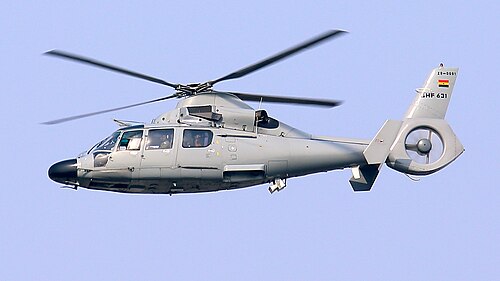
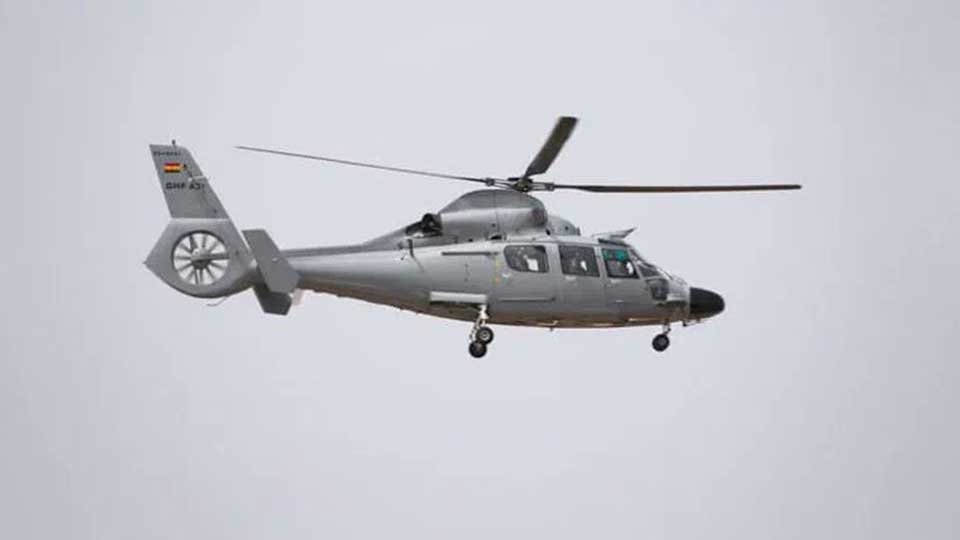
The ill-fated aircraft, a Chinese-made Harbin Z-9EH operated by the Ghana Air Force, took off from Kotoka International Airport in Accra at 9:12 a.m. It was en route to the gold-mining town of Obuasi when radar contact was lost. The wreckage was later found in the dense forests of Adansi Akrofuom District, with no survivors among the eight on board.
Victims of the Crash
Those who lost their lives included:
- Edward Omane Boamah – Minister of Defence
- Ibrahim Murtala Muhammed – Minister of Environment, Science & Technology
- Samuel Sarpong – Vice-Chair, NDC
- Muniru Mohammed Limuna – Acting Deputy National Security Coordinator
- Three crew members: Sqn. Leader Peter Bafemi Anala, Flying Officer Twum Ampadu, Sgt Ernest Addo Mensah
Key Findings of the Report
The newly released report confirmed that the aircraft was airworthy before takeoff but lacked several key safety systems that could have helped avert the tragedy. These include a Terrain Awareness & Warning System (TAWS) and an Automatic Flight Control System (AFCS).
According to investigators, the helicopter encountered rapidly deteriorating weather conditions mid-flight, flying into fog and low clouds under Visual Flight Rules (VFR). When visibility dropped sharply, the crew lost visual references and struggled to maintain altitude as a powerful downdraft forced the aircraft downward.
Investigators ruled out mechanical failure or pilot error as the primary cause of the crash.
Reactions and Recommendations
The findings have reignited debate over the safety standards of military aviation in Ghana. The committee recommended that all military and government aircraft be equipped with modern terrain-mapping and warning systems, and that weather monitoring for flights be strengthened.
The government has since pledged to implement these recommendations and review flight protocols for both military and state officials.
National Mourning and Aftermath
The crash sent shockwaves through the nation, prompting a period of national mourning. The African Union and ECOWAS extended condolences to Ghana, describing the accident as a “national loss of exceptional leaders.”
Following the tragedy, the Finance Minister was appointed Acting Minister of Defence while new safety reforms were initiated for the Ghana Armed Forces’ Air Wing.
The 30-page report serves as both a technical document and a sobering reminder of the risks of flying in adverse weather without modern safety aids.