


Ghana 2026 Budget: 15 Key Focus Areas
By: Priority Consult · Date: November 13, 2025
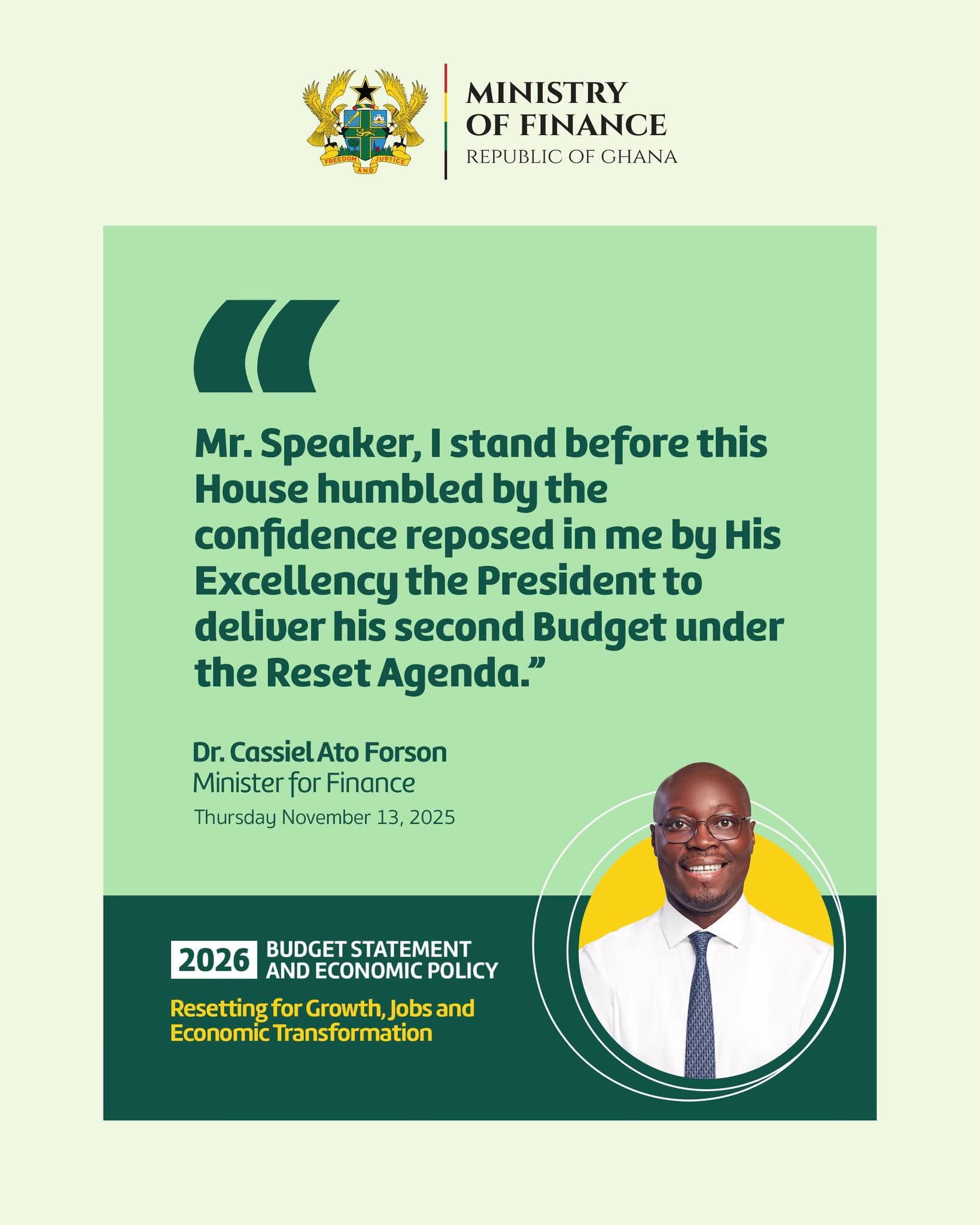
This post summarises the main themes and priority areas highlighted in Ghana’s 2026 Budget. Each section explains what the government intends to focus on and why it matters for citizens, businesses and the economy.
1. Macroeconomic Stability & Debt Sustainability
The budget places top priority on stabilising inflation, strengthening the cedi and reducing fiscal deficits. Restoring investor confidence and returning to domestic capital markets are central goals for sustainable growth.
2. Revenue Mobilisation & Tax Reform
Efforts to broaden the tax base, simplify tax rules and improve tax administration aim to raise predictable revenue without over‑burdening households and small businesses.
3. Expenditure Rationalisation & Arrears Clearance
Controlling public spending, reducing transfers to unprofitable state entities, and clearing legacy liabilities are intended to free up resources for essential services and investment.
4. Infrastructure Investment (“Big Push”)
Strategic investments in roads, bridges, schools and hospitals form a ‘big push’ to improve connectivity, service delivery and to create jobs in the short to medium term.
5. Economic Transformation & Industrialisation
Policies to drive value‑addition in manufacturing, agribusiness and mining aim to move Ghana up the value chain, increase exports and build resilient domestic industries.
6. Job Creation, Youth Skills & Entrepreneurship
Targeted programmes for youth employment, vocational training and entrepreneurship are designed to reduce unemployment and equip young people for the changing economy.
7. Support for MSMEs & Private Sector Growth
Access to affordable long‑term finance, regulatory relief and incentives are key to scaling micro, small and medium enterprises — the backbone of job creation.
8. Energy Sector Reform & Cost Reduction
Improving energy supply reliability, cutting sector losses and addressing legacy indebtedness will reduce production costs and improve competitiveness for businesses.
9. Social Protection & Inclusive Growth
Strengthening safety nets and targeted cash transfers seeks to shield vulnerable groups from adjustment pains while reforms take hold.
10. Education, Health & Human Capital
Investments in schools, training and healthcare aim to boost long‑term productivity by building a healthier, more skilled workforce.
11. Local Economic Development & Decentralisation
Enhanced support for district and municipal projects encourages economic activity outside major cities and improves service delivery at the local level.
12. Natural Resources, Mining & Agriculture Value Chains
Promoting value‑added processing for cocoa, minerals and agricultural produce is intended to increase export earnings and create higher‑quality jobs.
13. Digital Economy & Public Sector Digitisation
Boosting digital skills, encouraging tech entrepreneurship and digitising public services and tax systems will improve efficiency and open new economic opportunities.
14. Governance, Transparency & Public Financial Management
Strengthening institutions, improving accountability and tightening public financial management are critical to ensuring reforms deliver results and public money is well‑spent.
15. Environment, Climate Resilience & Sustainable Development
Integrating climate resilience into planning and encouraging green investments seeks to protect livelihoods and reduce long‑term economic risk from environmental shocks.




