Ebo Noah Arrested in Ghana: The Viral Prophet Whose Apocalyptic Flood Prophecy Sparked National Attention, Public Panic, and a Debate Over Misinformation and Religious Freedom
Ebo Noah, a Ghanaian self-proclaimed prophet, captured global attention with his viral claim that a catastrophic flood would occur on December 25, 2025. The prophecy failed, raising questions about public safety, social media responsibility, and freedom of religious expression. His subsequent arrest by the Ghana Police highlights the tension between law, order, and religious claims in the digital age.
Date: January 1, 2026
Who Ebo Noah Is
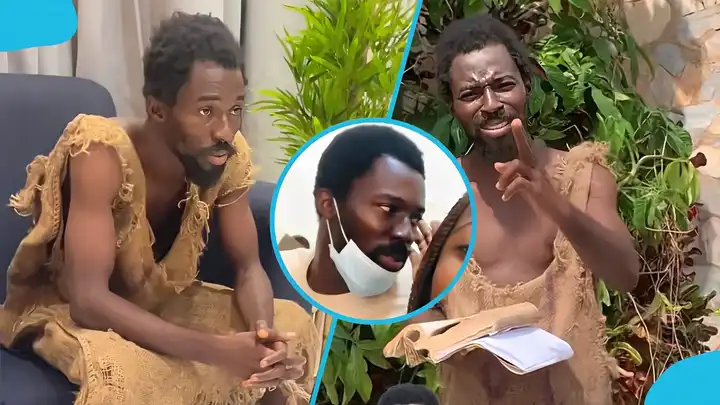
Evans Eshun, popularly known as Ebo Noah, is a Ghanaian self-proclaimed prophet who gained massive attention in 2025 for claiming to have received a divine warning of a global flood. He shared videos and posts urging people to build wooden “arks” to survive the catastrophe, which went viral on social media platforms including TikTok and Instagram.
The Failed Prophecy and Public Reaction
When December 25, 2025 came and went without a flood, Ebo Noah released further videos stating that God had “postponed” the event. Despite the failed prophecy, thousands of followers had prepared as if the disaster were imminent. The incident sparked mixed reactions: some accused him of misleading the public, while others treated it as entertainment or satire.
Advert

Arrest by Ghana Police
On December 31, 2025, the Ghana Police Service arrested Ebo Noah. Authorities cited public safety concerns, as his statements and online videos had the potential to cause fear and public disorder. No official charges or updates on his release have been provided, leaving the case under investigation. The arrest raised questions about the limits of religious expression and the role of law enforcement in monitoring viral content.
Legal Context and Public Safety in Ghana
Ghana does not currently have a law requiring prophets to submit prophecies for review. However, existing laws make it an offense to spread statements that could cause public fear or disrupt order. In 2025, Parliament debated bills on misinformation and cybersecurity, highlighting the government's emphasis on responsible online communication, especially for viral religious content.
Why This Story Matters
The Ebo Noah case illustrates the challenges at the intersection of religion, law, and social media in Ghana. It demonstrates how viral claims can influence public behavior, raise anxiety, and provoke legal scrutiny. It also sparks broader discussions about freedom of speech, digital misinformation, and the responsibility of religious figures in an increasingly connected world.