
When Words Become Warnings: U.S. Threats, Nigeria, and the Limits of Intervention
In late October and early November 2025 a string of sharp statements from U.S. political leaders escalated into an extraordinary diplomatic moment: the U.S. president publicly threatened military intervention in Nigeria over attacks on Christian communities, and the U.S. Defense Secretary echoed that stance with language framed as an ultimatum. A representative formulation of those remarks reads: “Either the Nigerian government protects Christians, or we will kill the Islamic terrorists who are committing these horrible atrocities.”
This essay unpacks what was said, why it matters, and the broader risks that follow when public rhetoric moves rapidly from condemnation to implied or explicit threats of armed action. The coverage and reporting behind these developments are complex; reputable outlets including Reuters, The Washington Post, Time, Al Jazeera, and CBS documented the statements and the official reactions. 0
Read also;
GTEC ORDERS FOR THE SUSPENSION OF THE NEW FEES BY PRINCOF
COLLEGES OF EDUCATION HAVE BEGUN ADMISSION PROCESSES FOR THE LEVEL 100
What was actually said?
According to contemporary reporting, former U.S. President Donald Trump posted on social media that the U.S. might “go in … ‘guns-a-blazing’” to halt what he described as widespread killing of Christians in Nigeria; he ordered the Pentagon to prepare for potential action and warned of halting U.S. aid. The U.S. Defense Secretary publicly echoed the urgency, using forceful language about preparing for action and singling out Islamist militants as the target. Those direct statements and the Pentagon preparations were widely reported. 1
Context: violence in Nigeria is real — but complicated
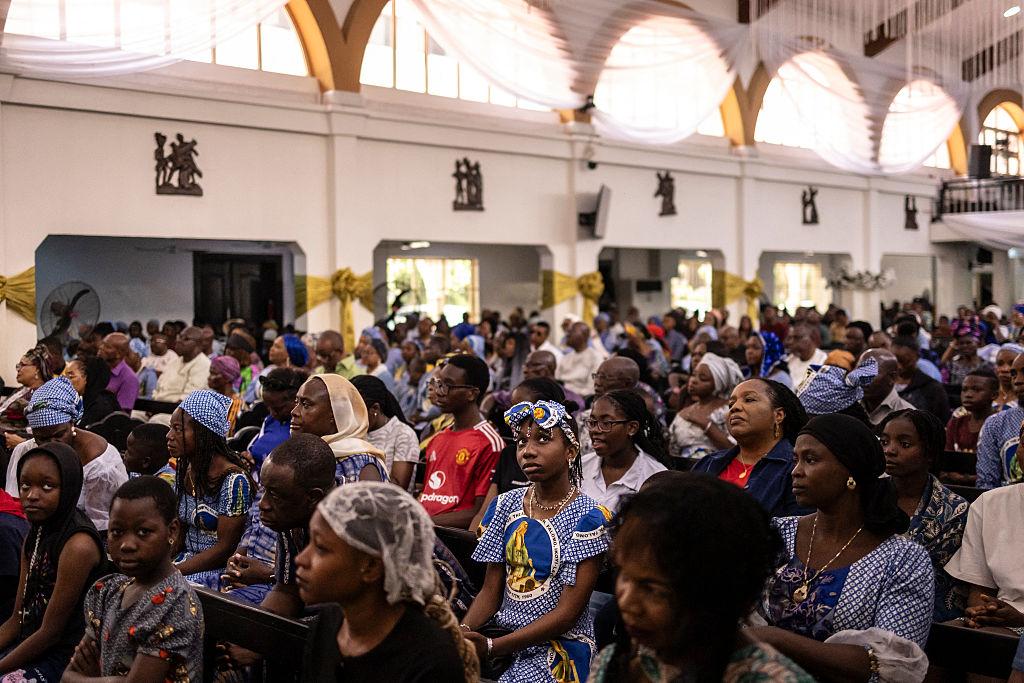
Nigeria has experienced years of violent attacks from groups such as Boko Haram and ISWAP (Islamic State West Africa Province), and those attacks have caused terrible civilian suffering. At the same time, researchers and monitoring groups caution that the violence is regionally varied and that victims have included both Christians and Muslims — meaning that simple religious categorizations risk obscuring the political, economic, and local drivers of violence. International outlets and analysts have urged careful verification of casualty claims before framing the situation as a one-sided “genocide.” 2
Why the wording matters
When a foreign power publicly conditions military action on another country’s internal governance — especially on religious protection — three big problems arise.
- Sovereignty and legitimacy: Threats of intervention strain diplomatic relations and can undermine the legitimacy of the government being threatened, whether or not that government is failing its people.
- Risk of escalation: Rhetoric framed around religious identity (e.g., “protect Christians”) risks inflaming local sectarian tensions and could be manipulated by extremist actors to recruit or retaliate.
- Operational and legal hurdles: Any real military operation would require logistics, basing, regional cooperation, and legal authorities that are far more complicated than a social-media warning. Reports note practical obstacles and the necessity of Nigerian consent for meaningful action. 3
Nigeria’s reaction and the diplomatic fallback
Nigerian officials publicly rejected the allegation that the country tolerates organized persecution, while also signalling willingness to accept assistance so long as sovereignty is respected. Regional partners and international observers called for calm and for responses that prioritize intelligence-driven counterterrorism cooperation rather than unilateral strikes. 4
What to watch next
If you follow this story, key indicators to watch are: whether the U.S. actually reallocates military assets or authorizes strikes; any official U.S. documentation (congressional notifications, Pentagon statements) that clarify intent; how Nigeria responds in international forums; and whether independent monitoring groups corroborate claims of targeted religious persecution. Reporting in the immediate days following the statements focused more on the rhetoric and less on an operational plan — which suggests the warnings may be intended partly as political pressure. 5
Conclusion
The quote you shared captures the bluntness of recent public statements, and the underlying problem is real: extremist violence in Nigeria demands attention. But turning a policy response into a religious ultimatum on social media risks diplomatic fallout, misdirected military action, and further harm to the very communities it purports to protect. Careful, evidence-based international cooperation — emphasizing intelligence sharing, humanitarian aid, and support for rule-of-law institutions — remains the safer path than headline-driven threats of force.