A Fragile Step Towards Peace: Democratic Republic of Congo and M23 Rebels Sign Landmark Framework Deal to End Years of Violence in Eastern DRC
Significance of the Agreement
The Democratic Republic of Congo (DRC) has reportedly reached a significant milestone in its protracted conflict with the M23 rebel group, with both parties signing a framework deal aimed at establishing a path toward lasting peace. If confirmed and fully implemented, this development represents a crucial breakthrough in a region plagued by decades of instability and violence, particularly in the mineral-rich eastern provinces.
Background of the M23 Rebel Group
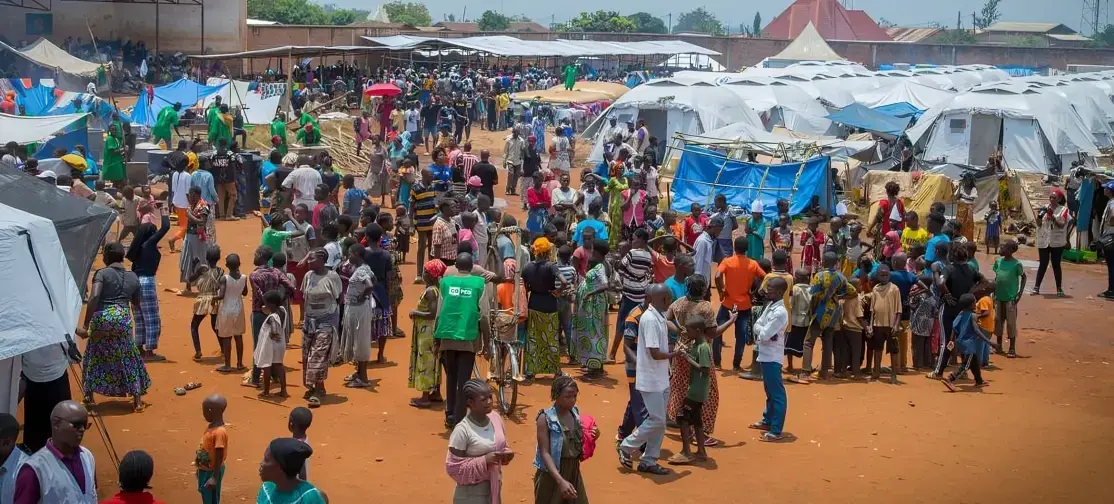
The M23, largely composed of Congolese Tutsis, gained international notoriety for its 2012-2013 offensive, which saw the group temporarily seize the provincial capital of Goma. Although largely subdued afterward, the movement reignited fighting in late 2021, leading to a new humanitarian crisis, the displacement of hundreds of thousands of people, and significant diplomatic tensions between the DRC and its eastern neighbor, Rwanda, whom Kinshasa accuses of supporting the rebels—a charge Rwanda consistently denies.
Regional Mediation and Framework Details
This new framework deal comes after months of regional mediation efforts, primarily spearheaded by the East African Community (EAC) and other international partners. While the specific details of the agreement are yet to be fully disclosed, such frameworks typically focus on key pillars necessary for de-escalation and reintegration:
- Cessation of hostilities
- Withdrawal of M23 fighters from occupied territories
- Cantonment, demobilization, and reintegration of rebels into civilian life or the national army (FARDC)
Challenges for the DRC Government
For the DRC government, securing a concrete ceasefire and the withdrawal of the M23 is paramount to restoring state authority and protecting civilians in the turbulent North Kivu province. However, the path to peace is littered with historical failures. Previous agreements with M23 have often collapsed due to mutual distrust, disagreements over the pace of demobilization, and unresolved political grievances—specifically, the M23’s demands for the full implementation of the 2013 Kampala accord.
Regional and International Involvement
The success of this new framework will hinge not only on the commitment of the M23 leadership but also on the political will of all regional actors. Any lasting peace must address the root causes of the conflict, including illegal resource exploitation, inter-community tensions, and issues of nationality and identity. The international community, including the UN peacekeeping mission (MONUSCO), will be vital in monitoring withdrawal phases and ensuring accountability.
https://domesticatednavigationgrip.com/stbrb7uk4y?key=0f2de37e55d64dddf2f08099c70fa154
Looking Ahead: A Fragile Step Towards Stability
While the signing of the framework deal offers a much-needed beacon of hope, it is merely the first, albeit fragile, step in a complex, multi-layered peace process. Sustained diplomatic pressure, comprehensive security sector reform, and addressing the underlying causes of conflict will be necessary to transform this paper agreement into tangible stability for the Congolese people.